
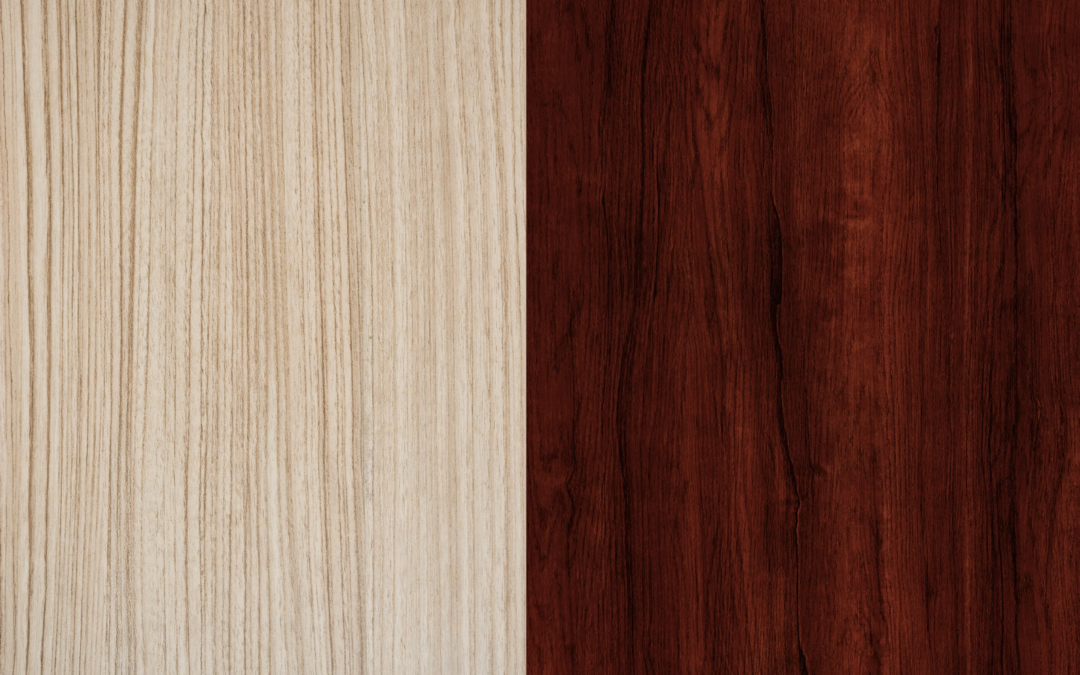
If you’re planning new hardwood floors, you’ve probably heard that oak is the safe bet. That’s true, but it leaves one more question: white oak vs red oak flooring, which one is right for your home? The two woods look different, take stain differently, and feel a little different underfoot, so it’s worth knowing what separates them before you choose.
At Barbati Hardwood Flooring, we’ve been installing and refinishing both since 1987 in West Chester and across Chester County. Here’s how we help homeowners compare them.
Key Takeaways
- Red and white oak are the two most common species for hardwood floors, and both are durable, long-lasting choices.
- Red oak has a warmer, slightly reddish undertone. White oak is more neutral, with tan and light brown tones.
- White oak is slightly harder than red oak, but the difference is small for everyday use.
- Undertones affect how a stain color looks, so always test samples on the actual wood.
- Both species can be sanded and refinished, so you’re not locked into today’s color forever.
How Do White Oak vs Red Oak Flooring Options Compare at a Glance?
White oak and red oak are both hardwoods with a strong grain pattern and a good track record in homes. The main differences are color, grain, and hardness, summed up here:
- Color: Red oak leans warm, with pink or reddish undertones. White oak is more neutral, ranging from light tan to medium brown.
- Grain: Red oak usually shows a bolder, more open grain pattern. White oak’s grain is often a little tighter and more even.
- Hardness: White oak is slightly harder on the Janka hardness scale, though both hold up well to daily use.
- Staining: Red oak’s warm undertone can show through lighter stains. White oak’s neutral base suits a wider range of colors, including natural and cooler tones.
Which Wood Looks Better in a Traditional Home?
Both do. Red oak has long been a classic choice in older homes, and many Chester County houses still have original red oak floors. Its warmth pairs well with traditional trim, brick, and richly colored furniture. You can see an example in our post on upgrading a home with red oak flooring.
White oak fits traditional spaces just as well, and its neutral tone also works in more modern or lighter, airy rooms. If you like the look of a natural, pale floor, white oak is usually where we start.
How Does Each Wood Take Stain?
This is where the two species differ most. Because red oak has a reddish undertone, even a light stain can come out warmer than the sample card suggests. That can be lovely, or it can be a surprise if you were hoping for a gray-toned or very neutral floor. White oak’s more neutral base gives you more control over the final color.
Whichever species you choose, we recommend testing stain samples on your own wood, in your own lighting, before committing. Our page on staining your hardwood floors explains more about choosing a color.
Which Is More Durable, White Oak or Red Oak?
Both are strong, long-lasting woods. White oak ranks a little higher on the Janka hardness scale, which measures resistance to denting, but red oak is also a proven performer in busy households. For most families, other factors, such as the finish, the subfloor, and how well the floor is cared for, matter more than the small gap in hardness.
Oak in general also holds its color better over time than some other species. Heart pine and Brazilian cherry, for instance, shade and fade faster than oak does.
Can You Refinish Both Types of Oak?
Yes. Solid red oak and solid white oak can both be sanded and refinished, which means you can change the color or refresh a worn finish years down the road. That’s a real advantage of solid hardwood. If you’d like to know more, see our hardwood floor refinishing page.
How Do You Choose Between White Oak and Red Oak?
Start with the look you want. If you picture a warm, classic floor, red oak is a natural fit. If you want a neutral or lighter floor, or you plan to use a stain that’s sensitive to undertones, white oak gives you more room to work. Then think about your budget, your home’s style, and how the floor will be used.
The easiest way to decide is to see samples next to each other in your own space. We’re glad to do that as part of an in-home visit for hardwood floor installation. The National Wood Flooring Association’s homeowner site, woodfloors.org, also has helpful general information on wood species.
FAQ
Is white oak or red oak more popular?
Red oak and white oak are both among the most common choices for hardwood floors. Which one is more popular tends to shift with design trends, so we suggest choosing based on the look you love rather than what’s trending.
Does red oak always look pink or orange?
No. Red oak does have a warm undertone, but a good stain and finish can tone it down. Sample boards in your own home are the best way to see how it will really look.
Is one species better for homes with pets or kids?
Both hold up well. White oak is slightly harder, but the finish and regular care make a bigger difference to how a floor wears.
Can I mix red oak and white oak in the same house?
It’s possible, but the undertones can clash when the two meet, especially under a clear or light finish. If you’re adding to an existing floor, we’ll look at what you have and talk through your options.
Ready to See Samples in Your Home?
If you’re torn between white oak and red oak, we can help you compare them in person. Call today for a free estimate at (484) 354-8869, or contact us online.